DISCLAIMER: This is not medical advice. Proceed at your own risk. The techniques and methods shown are for informational purposes only. Do not attempt to use a massage cane for treatment of serious medical ailments, or injuries. You must consult with a qualified medical practitioner for treatment of any serious medical condition and gain approval for the use of these techniques and methods.
HOW TO USE A MASSAGE CANE & Effectively Treat Your Neck
These Methods Can Be a Surf Saver!
DEEP DIVE INTO THESE VIDEOS & Discover How to Efficiently and Specifically Use a Massage Cane to Treat Neck Muscles
Injury, Pathology, Medical Clearance
As with any treatment method, you proceed at your own risk. These methods, while specific, logical, and treatment based, cannot possibly take into account your specific injuries or pathologies. For commonly tight muscles and neck tensions, these treatment methods have the potential to be extremely helpful. However, for certain neck pathologies and injuries, treatment can potentially worsen pre-existing issues. If you have known injuries, pathologies, or ongoing neck pain, you must get clearance from your medical provider to employ these massage cane strategies.
Theory, Treatment Methods, & Anatomy Awareness
Learn the fundamental theories and 3 primary treatment methods you’ll utilize when using your massage cane. With this fundamental knowledge you’ll be able to treat your neck musculature far more effectively, and with intentional specificity. This results in much better outcomes, which means a much better feeling neck! You will also learn a few basic anatomy points so you can pinpoint on your own body, where and how to treat effectively. This knowledge will support your self-care for decades yet to come.
Anatomy Landmarks – Know Where To Treat
Learn the key “landmarks” of the neck, so you know where to treat the muscles, and how to treat the muscles using the 3 treatment methods you learned in the last video. With a fundamental and basic understanding of neck anatomy, your results will be so much better than mindlessly rubbing the neck. You’ll now know how to pinpoint key areas of tightness, and how to treat them effectively.
Superficial Layers – Upper Trap & Levator Scapulae
The first layer of muscle and tissue that you’ll treat. These two primary muscles are often responsible for shoulder pain, and even upper neck or head pain! You’ll learn how to treat the Upper Trapezius, which spans the length from your skull, all the way to your shoulder, and often has trigger points that resemble headaches or pain along the back of the neck. The Levator Scapulae muscles runs from your upper 4 cervical vertebrae, down to the upper corner of your shoulder blade. This muscle gets heavily fatigued with faulty paddling technique, and can easily contribute to upper neck pain, or shoulder pain.
Intermediate Layer – The Meat Channel
This layer of tissue will very likely be a key to your success and pain elimination. You’ll learn how to treat multiple muscles and layers of tissue using the 3 primary treatment methods you learned in previous videos. Ischemic Compression, Slide & Glide, and Pin & Stretch techniques will make a huge difference to your neck tensions, especially after a few long surfs! You’ll be specifically treating the Splenius muscle group, Semispinalis, Longissimus, and also some of the deeper Multifdus and Rotatores. Several of these muscles are the ones that do the major “lifting” when you’re surfing, holding your neck in an extended posture for those long paddle outs!
Deep Layer – Suboccipital Muscles
The suboccipital muscles are some of the deepest muscle tissues within the neck, connecting your skull to your upper vertebrae. These muscles often develop trigger points that send pain all over the head area, and often mimic extreme headaches. Learning how to effectively treat this area, only after addressing the other layers of muscles, can have profoundly positive effects.
Interscapular Muscles – Middle / Lower Trapezius & Rhomboid
These are the muscles that run from between your shoulder blade, to your spine. They’re used heavily when paddling and also maintaining paddle posture. They’re often also very weak, which often leads to muscle tightness and pain. Knowing how to address these muscles is a simple yet effective way to feel better after a big gym session or a long surf session.
What if I tell you that there’s an app that gives you everything you need for developing your surfing?
Take Your Surfing And Fitness To The Next Level
SURF ATHLETE PRO
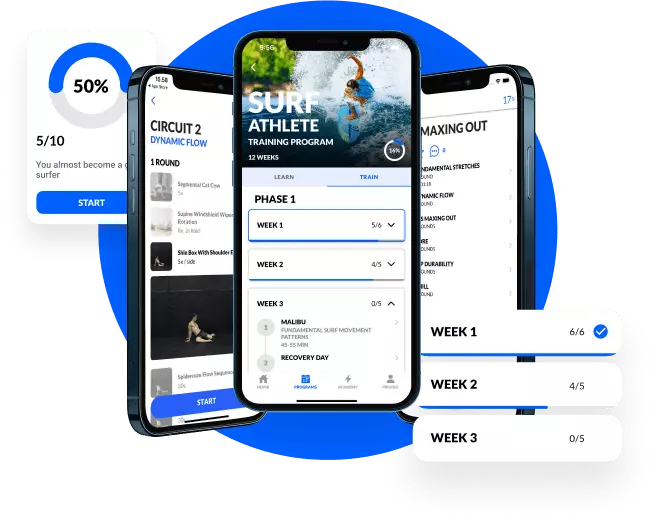
A SURF TRAINING JOURNEY FOR EVERY GOAL
Lorem ipsum dolor sit amet, consectetur adipiscing elit, sed do eiusmod tempor incididunt ut labore et dolore magna aliqua. Ut enim ad minim veniam, quis nostrud exercitation ullamco laboris nisi ut aliquip ex ea commodo consequat. Duis aute irure dolor in reprehenderit in voluptate velit esse cillum dolore eu fugiat nulla pariatur. Excepteur sint occaecat cupidatat non proident, sunt in culpa qui officia deserunt mollit anim id est laborum.
WHAT IS
INCLUDED?
These are some of the Programs Included in your app subscription
Endless Paddling Endurance »
Say goodbye to weak-ass noodle arms, and say hello to crushing heavy rips with this Paddling Endurance Program for Surfers.

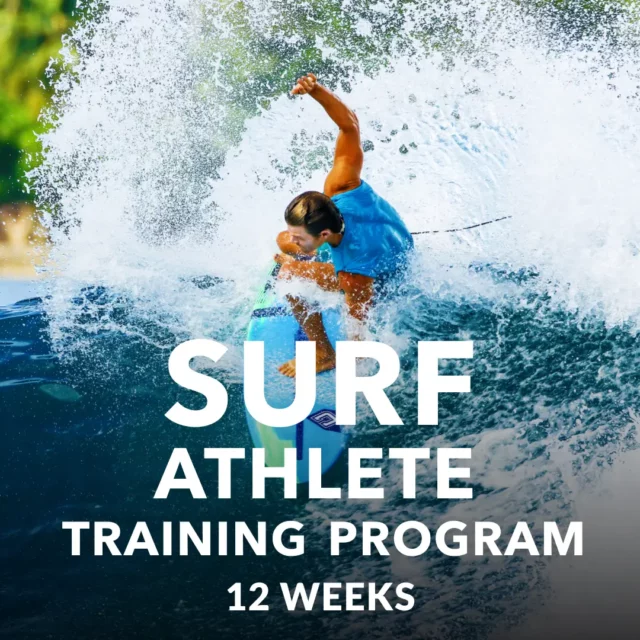
Surf Athlete Training Program »
Surf Athlete Training Program, a proven, Step-by-Step Program for Better, Faster, & More Durable Surfing.
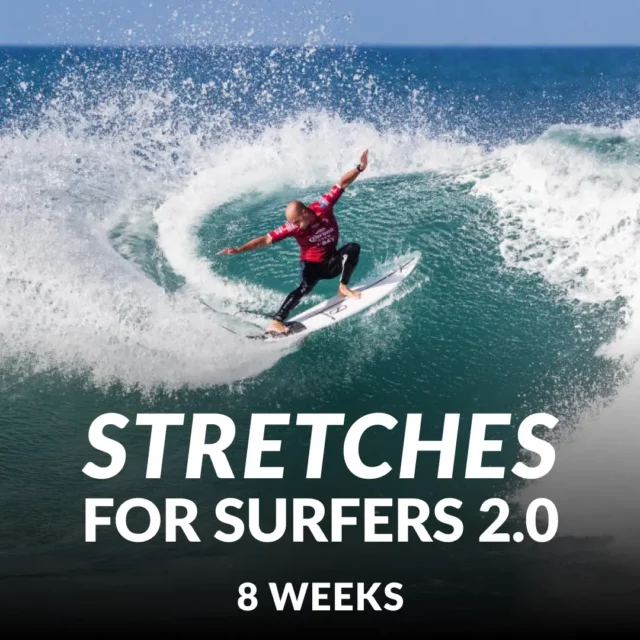
Stretches for Surfers 2.0 »
Enhance your surfing performance with the Stretches For Surfers 2.0 Program. Get More Flow In Your Surfing, Eliminate Pain, Prevent Injury, and Move Better in the Water.
Bodyweight Surf Athlete »
Build Peak Surf Fitness and Shred at your Highest Potential. Get Strong, Get Flexible, and Move Better in the Water.

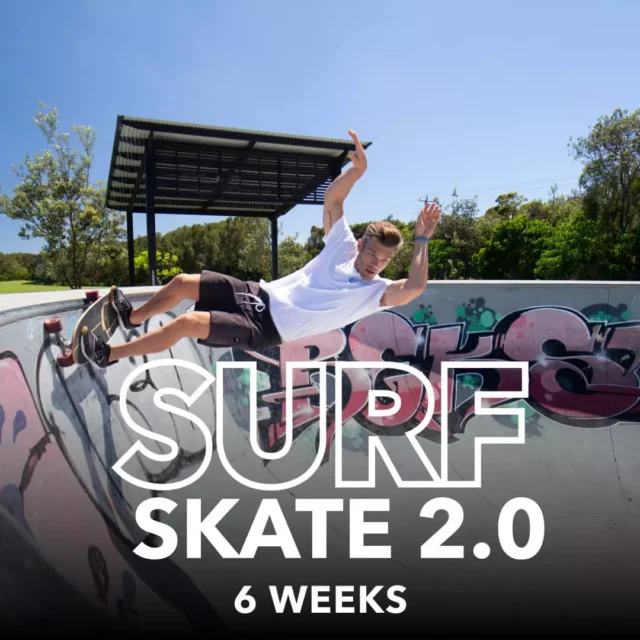
Surf Skate 2.0 »
Learn proper technique and develop body and mind co-ordination to get your board exactly where you want it to be.
The Perfect Pop Up »
The ultimate guide to fixing & improving your pop up… For good. Improve your surfing pop up technique and get a better movement on waves.